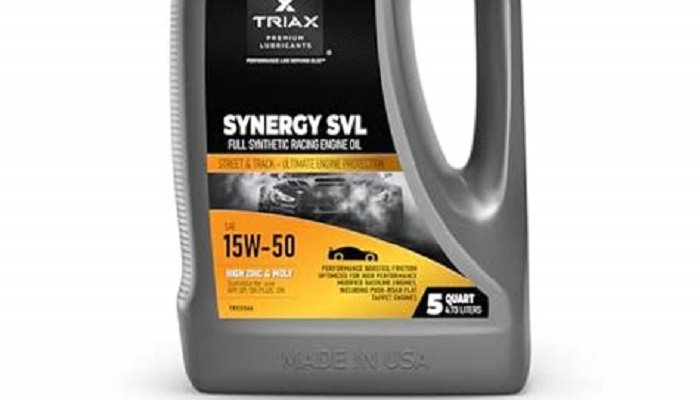
TURBOCHARGED engines have become increasingly popular, offering impressive power output and fuel efficiency from smaller displacements.
However, these sophisticated powerplants place immense stress on engine components, particularly demanding superior lubrication to ensure longevity and optimal performance. Choosing the right engine oil is not merely a recommendation; it is a critical investment in your vehicle’s health and operational lifespan. This comprehensive guide will delve into why synthetic oil is the undisputed champion for turbocharged engines, exploring the critical factors that define a top-rated formulation.
Understanding Turbocharged Engines and Their Demands
A turbocharger is essentially a small turbine powered by exhaust gases, which in turn spins a compressor to force more air into the engine’s combustion chambers. This process significantly boosts horsepower, but it also generates extreme heat and rotational speeds that far exceed those of the engine’s crankshaft. The turbocharger’s bearing assembly can spin at over 200,000 RPM, operating in temperatures that can reach well over 1,000°F (538°C). This brutal environment subjects engine oil to immense thermal stress, leading to rapid degradation and potential deposits if the oil isn’t up to the task.
Why Synthetic Oil is Superior for Turbos
Conventional mineral oils are derived directly from crude petroleum and contain various impurities and inconsistent molecular structures. In contrast, synthetic oils are engineered in laboratories, consisting of highly refined base stocks and carefully selected additive packages designed for specific performance characteristics. This controlled molecular structure provides superior thermal stability, oxidation resistance, and viscosity retention, which are all paramount for turbocharged applications. Synthetic oil resists breakdown under the extreme heat of a turbocharger, maintaining its lubricating properties and preventing the formation of damaging sludge and varnish.
Read Also: 10 Best Chase Business Credit Card for Business Owners
Key Characteristics of Top-Rated Synthetic Oil for Turbos
Optimal Viscosity Grades for Turbo Performance
Viscosity refers to an oil’s resistance to flow and is indicated by numbers like 5W-30 or 0W-20, representing cold-start flow and operating temperature viscosity, respectively. Turbocharged engines benefit from oils that can flow quickly at cold start to lubricate rapidly spinning turbo bearings, while also maintaining adequate film strength at high operating temperatures. Modern synthetic oils achieve this delicate balance, often featuring wider viscosity indexes that ensure protection across a broad temperature range. Always adhere to your vehicle manufacturer’s recommended viscosity grade for optimal performance and protection.
Robust Thermal Stability and Oxidation Resistance
The scorching temperatures within a turbocharger can quickly break down conventional oils, leading to oxidation and the formation of harmful deposits. Top-rated synthetic oils are specifically formulated with advanced antioxidant additives and high-quality synthetic base stocks that resist thermal degradation. This superior resistance ensures the oil maintains its protective properties longer, preventing sludge buildup that can clog oil passages and starve the turbocharger of lubrication. Enhanced thermal stability directly translates to a cleaner engine and a longer lifespan for critical components.
Exceptional Shear Stability and Film Strength
Under the extreme pressures and high shear forces present in an engine, especially within the turbocharger’s bearings, engine oil must maintain its film strength. Shear stability refers to an oil’s ability to resist thinning out under these mechanical stresses, ensuring a continuous protective barrier between moving metal parts. Synthetic oils excel in this area, providing a robust lubricating film that prevents metal-to-metal contact and minimizes wear. This is crucial for turbocharger bearings, which rely entirely on this oil film for their high-speed operation.
Advanced Deposit Control and Cleanliness
High temperatures in a turbo can lead to the “coking” of oil, where it essentially bakes onto hot surfaces, forming hard carbon deposits. These deposits can restrict oil flow to the turbocharger, leading to premature bearing failure and significantly reduced turbo lifespan. Top-tier synthetic oils incorporate potent detergent and dispersant additives that keep contaminants suspended in the oil, preventing them from forming harmful deposits. Maintaining a clean engine, especially the turbocharger’s delicate components, is vital for long-term reliability and efficiency.
Low-Speed Pre-Ignition (LSPI) Protection
Many modern turbocharged engines, particularly those with gasoline direct injection (GDI), are susceptible to a phenomenon called Low-Speed Pre-Ignition (LSPI). LSPI is an abnormal combustion event that can cause severe engine damage, including piston failure. Certain engine oil formulations can either mitigate or exacerbate LSPI. Top-rated synthetic oils for GDI turbocharged engines are specifically formulated with advanced additive packages that help prevent LSPI occurrences, often meeting standards like API SP or Dexos Gen 2, which include specific tests for LSPI protection.
Adherence to Industry Standards: API, ACEA, and OEM Specifications
When selecting a synthetic oil, it’s crucial to look for industry certifications like those from the American Petroleum Institute (API) and the European Automobile Manufacturers’ Association (ACEA). API ratings such as “API SP” indicate the oil meets the latest performance standards, including protection against LSPI and timing chain wear. ACEA sequences (e.g., A3/B4, C2, C3) specify oil performance for various European engine types and emissions systems. Furthermore, many vehicle manufacturers (OEMs) issue their own stringent specifications (e.g., Dexos, VW 504 00/507 00), which are critical to follow for warranty compliance and optimal engine health.
Read Also: 8 Best Croome House for Travelers and Familie
Top Brands and Formulations for Turbocharged Engines
While specific product recommendations can vary based on vehicle model and manufacturer requirements, leading synthetic oil brands consistently offer high-quality formulations suited for turbocharged engines. Brands like Mobil 1, Castrol EDGE, Pennzoil Platinum, Valvoline Advanced Full Synthetic, and Motul are recognized for their robust research and development in lubricant technology. These manufacturers typically offer full synthetic oils specifically designed to meet or exceed the rigorous demands of turbochargers, often incorporating advanced additive packages for thermal stability, deposit control, and LSPI protection. When choosing, prioritize oils that explicitly state compliance with your vehicle’s OEM specifications and the latest API/ACEA standards.
Choosing the Right Oil for Your Turbo Engine
Always Consult Your Owner’s Manual
The single most important resource for selecting the correct engine oil is your vehicle’s owner’s manual. It will specify the exact viscosity grade, API or ACEA service classification, and any specific OEM approvals required for your engine. Deviating from these recommendations can void your warranty and potentially lead to engine damage. Modern engines are highly engineered, and their lubrication requirements are precise.
Consider Your Driving Conditions and Climate
While owner’s manual recommendations are primary, driving habits and local climate can influence your choice within those parameters. If you frequently drive in extreme heat or cold, or engage in heavy towing or performance driving, an oil with a wider viscosity index or enhanced protective additives might be beneficial. However, always ensure it still meets the manufacturer’s specified standards.
The Role of Oil Change Intervals
Even with top-rated synthetic oil, adhering to appropriate oil change intervals is crucial. While synthetics last longer than conventional oils, they still accumulate contaminants and their additive packages deplete over time. Follow your vehicle’s maintenance schedule or utilize your car’s oil life monitoring system. For severe driving conditions, more frequent changes may be warranted.
Read Also: 10 Best Cloud Technology in Banking Applications Transforming Financial Services
Common Myths and Misconceptions About Synthetic Oil and Turbos
Myth: Synthetic Oil is Too Thin for Older Engines
Fact: While some older engines might have issues with leaks if switching from conventional oil due to existing seal deterioration, modern synthetic oils are formulated to be compatible with engine seals. The “thinness” at cold temperatures is a benefit for rapid lubrication, while their superior viscosity retention at operating temperatures ensures adequate protection.
Myth: Synthetic Oil Doesn’t Need to Be Changed as Often
Fact: Synthetic oils certainly offer extended drain intervals compared to conventional oils, but they are not “fill-for-life” solutions. Contaminants still build up, and additives still deplete. Always follow your vehicle manufacturer’s recommended service intervals, or those indicated by your vehicle’s oil monitoring system.
Myth: All Synthetic Oils Are the Same
Fact: The quality and formulation of synthetic oils vary significantly between brands and even within a single brand’s product lines. The base oils can differ (e.g., Group III, Group IV, Group V synthetics), as can the additive packages. Always look for specific certifications and OEM approvals relevant to your vehicle.
Read Also: 10 Best Car Insurance Dispute Lawyer Tips to Win Claims Faster
Conclusion
For the discerning owner of a turbocharged engine, selecting a top-rated synthetic oil is not merely a choice but a necessity for safeguarding performance and longevity. These highly advanced lubricants are meticulously engineered to withstand the extreme heat, immense pressures, and rapid rotational speeds inherent in forced induction systems. By prioritizing oils with robust thermal stability, excellent shear resistance, superior deposit control, and essential LSPI protection, you provide your engine with the best possible defense against wear and premature failure. Always remember to consult your owner’s manual for specific recommendations, ensuring that the chosen synthetic oil meets or exceeds all manufacturer and industry standards for unparalleled engine health. (den)