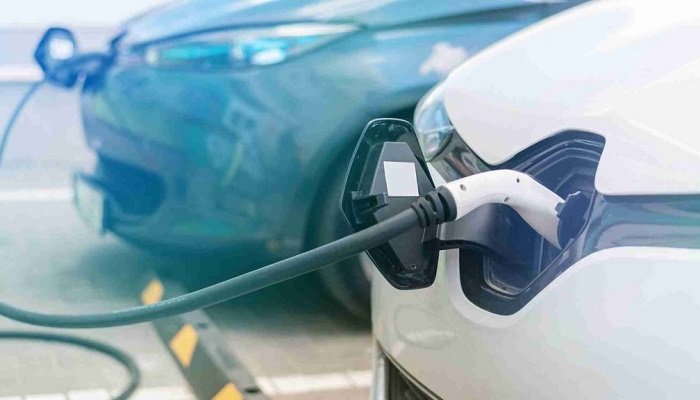
Many owners discover that insuring an electric vehicle can be significantly more expensive than insuring a comparable gasoline car. Understanding why insurance for electric cars so expensive requires examining how insurers assess risk, calculate repair costs, and respond to new technologies that are still evolving. The following ten tips explain the key reasons behind higher premiums and help drivers make more informed decisions about electric vehicle ownership.
Read Also: 8 Best Modern Architecture for Homeowners and Design Enthusiasts
1. Higher Repair Costs Due To Advanced Technology
One major reason insurance for electric cars so expensive lies in the advanced technology used in electric vehicles. EVs rely on complex electrical systems, sensors, cameras, and software that are costly to repair or replace after an accident. Even minor collisions can damage battery housings or electronic components, leading to higher repair bills. Insurers factor these increased repair costs into premiums, resulting in higher insurance rates compared to traditional vehicles with simpler mechanical structures.
2. Expensive Battery Replacement Risks
Battery systems are among the most expensive components of an electric car, making them a central factor in why insurance for electric cars so expensive. In the event of severe damage, insurers may need to replace the entire battery pack rather than repairing individual cells. Battery replacement can cost thousands of dollars, significantly increasing claim severity. Because insurers must account for this potential expense, premiums are adjusted upward to reflect the financial risk.
3. Limited Repair Networks And Specialized Labor
Another reason insurance for electric cars so expensive is the limited availability of certified repair facilities. Electric vehicles often require specialized technicians trained to handle high-voltage systems safely. In many regions, repair shops capable of servicing EVs are fewer, leading to higher labor costs and longer repair times. Insurers consider these constraints when pricing policies, as limited repair options increase claim complexity and overall costs.
4. Higher Vehicle Purchase Prices
The initial cost of electric vehicles contributes directly to why insurance for electric cars so expensive. EVs generally have higher purchase prices than comparable gasoline models due to battery technology and research investments. Since insurance coverage is partially based on vehicle value, higher replacement costs translate into higher premiums. Insurers must ensure they can cover total loss scenarios, which increases pricing for more expensive vehicles.
5. Increased Use Of Advanced Driver Assistance Systems
Electric cars are often equipped with advanced driver assistance systems as standard features, influencing why insurance for electric cars so expensive. Technologies such as adaptive cruise control, lane-keeping assistance, and automated braking rely on sensors and cameras that are expensive to repair. Even minor accidents can disrupt these systems, leading to higher repair costs. Insurers reflect this increased risk by raising premiums to account for technology-intensive repairs.
Read Also: 10 Best Personal Finance Interest Rate Strategies to Reduce Debt and Grow Savings
6. Limited Historical Data For Risk Assessment
A less obvious factor behind insurance for electric cars so expensive is the lack of long-term historical data. Electric vehicles are still relatively new compared to gasoline cars, leaving insurers with limited data on accident frequency, repair outcomes, and long-term reliability. When uncertainty exists, insurers typically price conservatively to protect against unforeseen losses. This cautious approach results in higher premiums until sufficient data becomes available.
7. Higher Claim Severity Compared To Traditional Cars
Claim severity plays a key role in understanding why insurance for electric cars so expensive. While electric cars may not be involved in more accidents than gasoline vehicles, the cost per claim is often higher. Factors such as battery damage, specialized parts, and longer repair times increase the total payout per incident. Insurers focus heavily on claim severity when setting rates, leading to higher premiums even if accident frequency is similar.
8. Safety And Fire Risk Considerations
Although electric vehicles are generally safe, insurers still consider unique risks that contribute to why insurance for electric cars so expensive. Battery-related fire risks, while rare, can be difficult and costly to manage. Fires involving lithium-ion batteries may require specialized equipment and extended monitoring, increasing emergency response and claim costs. These potential risks are factored into insurance pricing models.
9. Higher Costs For Replacement Parts And Materials
Replacement parts for electric vehicles often cost more than those for traditional cars, reinforcing why insurance for electric cars so expensive. EV components may be produced in smaller volumes, leading to higher prices and longer supply times. Delays in parts availability also increase rental car expenses during repairs, adding to claim costs. Insurers account for these factors when determining premium levels.
10. Market Positioning And Owner Profiles
Insurers also consider driver demographics when evaluating why insurance for electric cars so expensive. Early adopters of electric vehicles often own higher-value models and may have different driving patterns compared to average drivers. Insurers analyze these profiles and may associate EV ownership with higher claim costs or replacement values. This market positioning influences underwriting decisions and contributes to higher insurance rates.
Read Also: 10 Best Artificial Intelligence Data Platform Solutions for Smarter Decisions
Conclusion
Understanding why insurance for electric cars so expensive helps drivers set realistic expectations and make informed financial decisions. Higher repair costs, expensive batteries, limited repair networks, and data uncertainty all play a role in shaping insurance premiums for electric vehicles.
While EV ownership offers long-term savings in fuel and maintenance, insurance costs reflect the current realities of emerging technology and evolving risk models. As electric vehicle adoption increases and repair infrastructure expands, insurance pricing may stabilize over time. Until then, knowing why insurance for electric cars so expensive allows drivers to plan more effectively and evaluate the true cost of owning an electric car. (den)