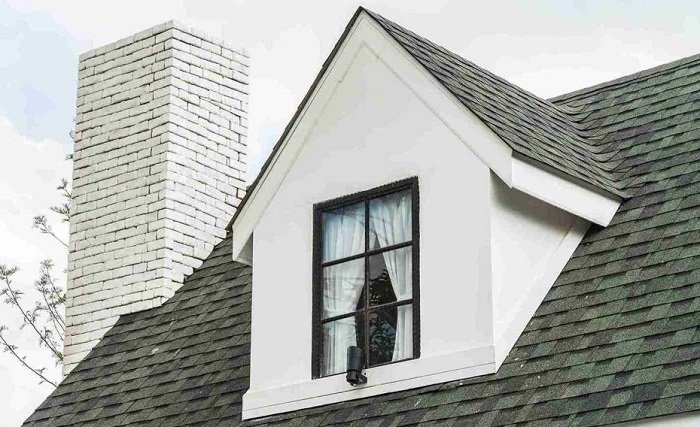
Below are seven clear recommendations that homeowners should follow when choosing the ideal roof for house design, explained in a straightforward and practical way.
Read Also: 10 Best Finance Companies That Offer Strong Growth and Long Term Stability
1. Match the Roof Design with the Overall House Architecture
The first and most important consideration in choosing the ideal roof for house design is architectural compatibility. A roof must visually and structurally align with the house style to create a balanced and cohesive appearance.
Modern homes typically benefit from flat or low-slope roofs that emphasize clean lines and simplicity. Traditional houses are better suited to gable or hip roofs that provide symmetry and classic proportions. Luxury or custom homes often use combination roof designs to enhance uniqueness without sacrificing functionality.
A roof that complements the house architecture improves curb appeal and preserves long-term property value.
2. Select Roofing Materials Based on Durability and Purpose
Material selection plays a major role in choosing the ideal roof for house design, as each material offers different performance levels and aesthetic qualities.
Asphalt shingles remain popular due to affordability and ease of installation. Metal roofing stands out for durability, fire resistance, and energy efficiency. Clay or concrete tiles offer excellent longevity and thermal insulation, while slate provides unmatched lifespan and premium appearance. Synthetic roofing materials replicate high-end looks with lower weight and maintenance requirements.
The right material should align with climate conditions, design goals, and expected lifespan.
3. Consider Climate and Environmental Exposure
Climate conditions must always guide decisions when choosing the ideal roof for house design. Roofing materials behave differently depending on temperature, moisture, wind and sunlight exposure.
In hot climates, reflective roofing materials reduce heat absorption and lower cooling costs. Cold regions require materials that resist ice buildup and temperature fluctuations. Areas with heavy rainfall need steep slopes and water-resistant surfaces, while high-wind locations benefit from reinforced roofing systems.
Ignoring climate factors often leads to premature damage and higher repair expenses.
Read Also: 10 Tips on How Do The Hybrid Cars Work in Everyday Driving Conditions
4. Evaluate Roof Slope and Drainage Performance
Roof slope directly impacts water drainage, structural stress, and overall roof performance. When choosing the ideal roof for house design, slope must match both the architectural style and material requirements.
Low-slope roofs demand advanced waterproofing systems to prevent leaks. Medium slopes offer flexibility and suit most residential designs. Steeper slopes improve rain and snow runoff while enhancing ventilation and visual depth. Proper slope design minimizes moisture retention and extends roof lifespan.
Read Also: 10 Tips on How Do The Hybrid Cars Work in Everyday Driving Conditions
5. Prioritize Energy Efficiency and Thermal Comfort
Energy efficiency is now a core factor in choosing the ideal roof for house design. Roofing systems influence how much heat enters or escapes the home.
Reflective materials, insulated panels, and proper ventilation reduce energy consumption. Green roofs and cool roofs further improve thermal regulation while supporting sustainable construction practices. An energy-efficient roof reduces utility costs and improves indoor comfort throughout the year.
6. Balance Maintenance Needs with Long-Term Longevity
Every roof requires maintenance, but the level varies significantly by material. Choosing the ideal roof for house design means selecting a system that fits your maintenance expectations and lifestyle.
Asphalt shingles require periodic inspection but are easy to repair. Metal roofs need minimal upkeep and last decades. Tile and slate roofs offer extreme longevity but require structural support and occasional inspections. Wood roofing demands consistent maintenance to prevent decay. A low-maintenance roof often provides better long-term value.
7. Align Roof Selection with Budget and Long-Term Value
Budget planning is the final but decisive step in choosing the ideal roof for house design. Initial cost should always be evaluated alongside durability, maintenance, and energy savings.
Lower-cost roofing materials may require earlier replacement, while premium materials often reduce lifetime expenses. Mid-range options such as metal or composite roofing balance performance and affordability.
A well-planned roof investment protects the home while supporting resale value and long-term performance. (den)